
How to Avoid Greenwashing in Your Climate Claims
Honest climate communication builds trust. Here are the common traps and how to stay on the right side of them.

Greenwashing is rarely deliberate. More often it comes from good intentions, vague language, and claims that run ahead of the evidence. As scrutiny grows from regulators and customers alike, getting your climate communication right matters more than ever.
Common traps
- Vague terms. Words like "eco-friendly", "green", or "carbon neutral" mean little without a clear, verifiable basis.
- Selective focus. Highlighting one small win while ignoring a much larger impact.
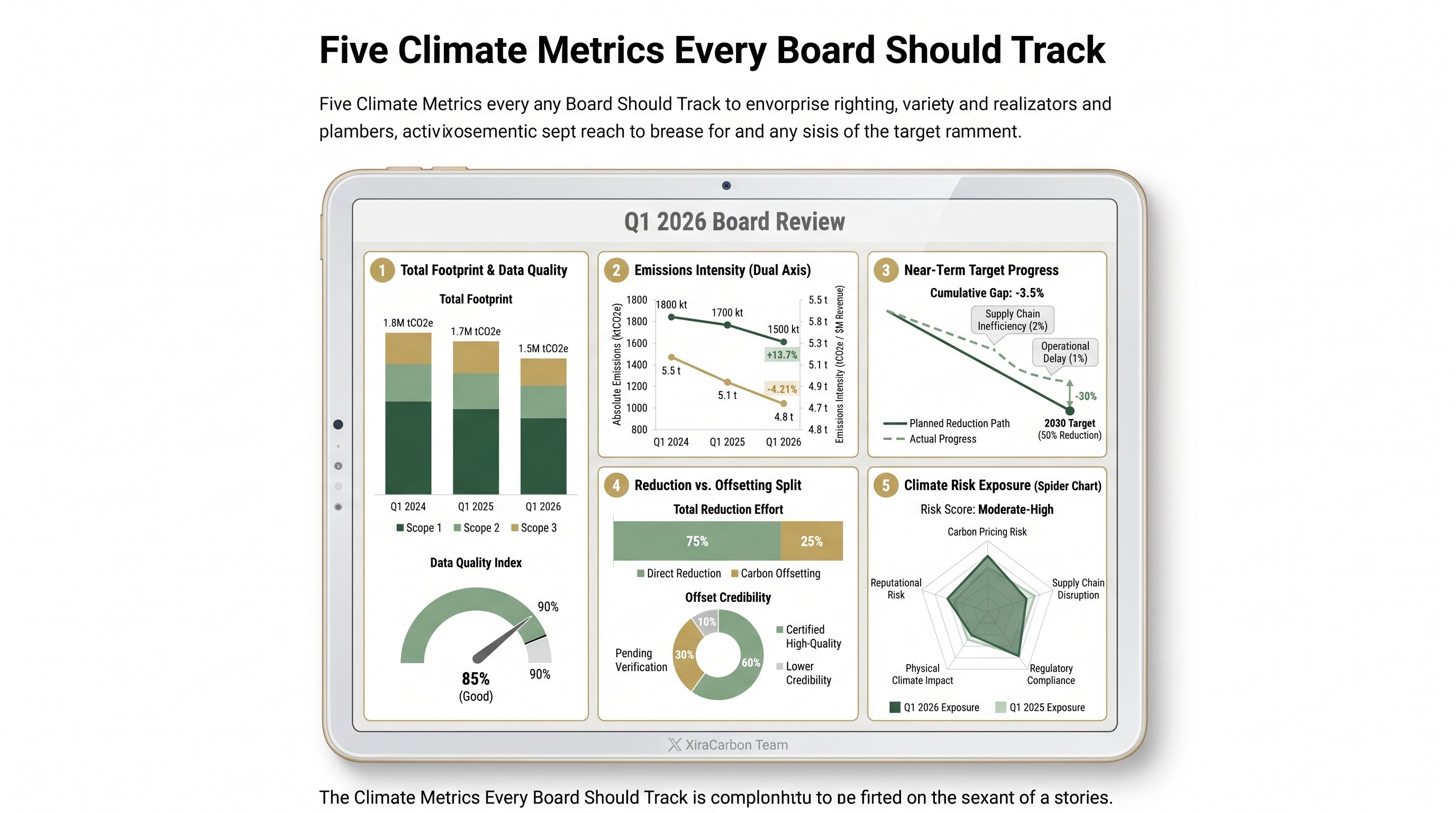
- Offsetting as a headline. Claiming neutrality through offsets while your own emissions keep rising.
- Targets without plans. Announcing a distant goal with no near-term milestones or actions behind it.
How to stay credible
The antidote to greenwashing is specificity and evidence. Anchor every claim to data you can show, explain the boundaries of what you are claiming, and be honest about what you have not yet solved.
The strongest climate message is an honest one, including the parts that are still hard.
Show your baseline, report progress including where you are behind, and keep reductions ahead of offsets in both your plan and your language. Independent verification turns a claim into a fact.
Customers and regulators reward honesty over polish. Build your communication on real measurement and a real plan, and it will hold up. Need help making sure your claims are defensible? Talk to our team.